

Picture this: you’re hosting a fabulous dinner party, surrounded by your closest friends, with laughter filling the air. Now, let’s talk about the star of the show—the menu! Planning a dinner party menu is like curating a symphony of flavors that will leave your guests begging for an encore- cheesy I know, but hang with me. In this blog post, we’ll walk you through important steps to create a memorable menu that complements your event perfectly. So, put on your chef’s hat, grab a spatula, and let’s dive into the world of dinner party menu planning!

Understand the Occasion and Guest Preferences:
When planning a dinner party menu, it’s essential to consider the occasion and your guests’ preferences. Are you hosting a casual gathering or a formal affair? Is it a themed event or a celebration of a special occasion? Tailor your menu to suit the mood and style of your event. If your friends aren’t too keen on a fancy formal affair, keep it light and casual! Just remember the whole point of a dinner party is for everyone to enjoy themselves. For example, if it’s a casual backyard BBQ, consider serving mouth-watering entrees from the grill, fresh salads, and refreshing summer cocktails. If it’s a formal dinner, opt for elegant dishes that showcase your culinary prowess. You get to set the tone for the evening, so pick things that are tasty, and match the atmosphere you are wanting to create.
Balance the Flavors and Courses:
A well-designed menu takes into account the balance of flavors and the progression of courses. Aim for a variety of flavors, textures, and colors in each course. Start with light and refreshing appetizers, followed by a flavorful main course, and end with a delectable dessert. For example, you could begin with a zesty citrus salad, move on to a succulent herb-roasted chicken as the main course, and finish off with a decadent chocolate mousse. Or, if you are like me, and a little crazy, you could go for 5 or more courses, just remember that the more courses you have, the less of each course you will need. You want your guests to feel satisfied, not beyond stuffed at the end of the night. Keep things to a certain ethnicity or use only in-season ingredients so your menu flows from course to course.
Consider Dietary Restrictions and Allergies:
No one wants to show up to a dinner party and realize there is nothing that they can actually eat. Ask your guests in advance if they have any specific dietary requirements or allergies. I love having lots of vegetable sides that can easily be gluten, dairy, and meat-free which also double as vegetarian and kosher options! Plan your menu accordingly, and don’t be afraid to ask some of your guests to send you a recipe or two if you aren’t used to cooking with dietary restrictions in mind. They will likely have already ruled out a few un-savory dishes that they have come across and can give you some pointers on what to make. This consideration not only ensures that everyone can indulge but also shows your thoughtfulness as a host.
Match the Serving Style to the Menu:
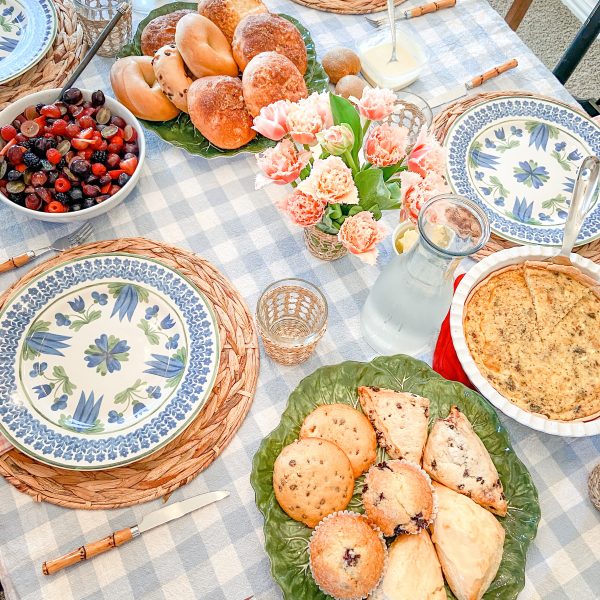
The way food is served can greatly enhance the dining experience and complement the menu. Consider the serving style that best suits your dishes. For example, a buffet-style setup works well for casual gatherings, allowing guests to serve themselves and sample a variety of dishes. A plated or family-style service adds an elegant touch to formal dinners, creating a more intimate dining experience. Choose the serving style that aligns with your menu and the overall ambiance you want to create. Another thing to keep in mind is if you are doing multiple courses, it may be helpful to plate the food yourself, that way everyone is ensured a taste of each item. Sometimes buffets prevent guests from being able to try a little of everything, so that’s just one thing to keep in mind.

Avoid Overcomplicating or Experimenting Too Much:
While it’s great to showcase your culinary skills, it’s important not to overcomplicate the menu or experiment excessively with new recipes. Stick to dishes you are comfortable preparing and have successfully tested before. Trying too many new recipes can lead to unnecessary stress and potential disappointments. I love having a mix of things I can prep ahead of time, along with some that require a little more hands-on assembly right before serving. Make sure to focus on adding personal touches and creative twists to familiar dishes. Your guests will appreciate your expertise and the deliciousness of the food you serve.
Planning a dinner party menu is an art that combines creativity, consideration, and culinary prowess. By understanding the occasion, balancing flavors, accommodating dietary restrictions, matching the serving style, and avoiding unnecessary complications, you can create a menu that leaves a lasting impression on your guests. So, let your imagination soar, trust your instincts in the kitchen, and get ready to wow your guests with a culinary experience they won’t forget. Bon appétit and happy hosting!




Leave a Reply